
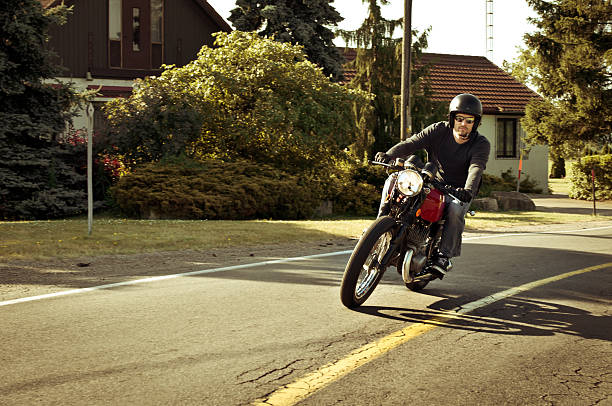

introduction
The cost of a motorcycle can vary widely depending on several factors, including the type of motorcycle, brand, model year, condition, and additional accessories or modifications. Whether you’re a first-time buyer or looking to upgrade, understanding these factors is crucial in making an informed decision about purchasing a motorcycle.
1. Types of Motorcycles: Motorcycles come in various types, each designed for different riding styles and purposes. Common types include sport bikes, cruisers, touring bikes, dual-sport/adventure bikes, and standard motorcycles. Prices can vary significantly between these categories based on features such as engine size, performance capabilities, and intended use.
2. New vs. Used: The cost of motorcycles can differ greatly between new and used models. New motorcycles typically come with manufacturer warranties and the latest features, but they generally have higher price tags. Used motorcycles, on the other hand, offer a more affordable option and can provide excellent value if well-maintained. Consider factors like mileage, maintenance history, and overall condition when evaluating a used motorcycle’s cost-effectiveness.
3. Brand and Model: The brand and specific model of a motorcycle can significantly impact its price. Popular and reputable brands often command higher prices due to their reliability, performance, and resale value. Additionally, certain models within a brand may have variations in pricing based on features, engine size, technology, and customization options.
4. Additional Costs: When budgeting for a motorcycle purchase, consider additional costs beyond the sticker price. These may include sales tax, registration fees, title fees, and possibly dealer fees. Depending on your location and circumstances, insurance premiums, motorcycle gear (helmet, gloves, jacket), and ongoing maintenance costs should also be factored into your budget.
5. Customization and Accessories: Many motorcyclists choose to customize their bikes with aftermarket accessories or modifications, such as upgraded exhaust systems, handlebars, seats, or aesthetic enhancements. These additions can add to the overall cost of owning a motorcycle but can also personalize the riding experience to better suit individual preferences and needs.
Factors Influencing Price Variability:
- Market Demand: The demand for specific motorcycle types or models can influence pricing, especially for new releases or limited-production models.
- Seasonality: Prices may fluctuate seasonally based on consumer demand and dealer promotions, with potential discounts during off-peak seasons.
- Condition and Mileage: When considering used motorcycles, the condition of the bike and its mileage can impact pricing. Well-maintained motorcycles with lower mileage typically command higher prices than those with higher mileage or signs of wear.
conclusion
In conclusion, the cost of a motorcycle varies based on a combination of factors, including type, new vs. used status, brand, model, and additional customization. By researching thoroughly, assessing your riding needs, and setting a budget that considers all associated costs, you can make a well-informed decision that aligns with your preferences and financial considerations. Whether you’re a seasoned rider or a beginner, investing in a motorcycle that meets your expectations in terms of performance, style, and value ensures a satisfying and enjoyable riding experience for years to come.